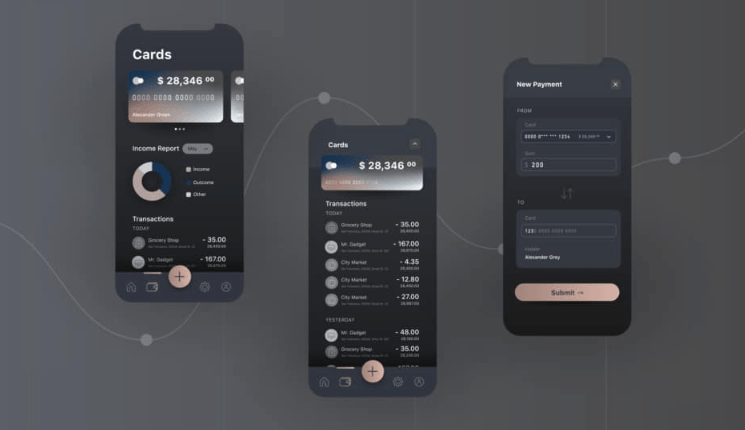
Mobile UX Design Trends
Mobile UX design is shifting toward faster, lean interfaces that respect small screens. Users expect instant feedback, minimal friction, and clear status signals to navigate quickly. Personalization through micro-interactions and accessible options can boost efficiency without draining battery life. Privacy-aware defaults and seamless cross-device flows matter as much as biometric and voice capabilities become standard. The next steps will reveal how these shifts shape consistent experiences across platforms and contexts.
What Mobile UX Trends Mean for Users Today
Mobile UX trends directly shape everyday usability, guiding how apps feel, respond, and anticipate user needs. In this lens, micro interaction insights reveal how subtle cues influence task efficiency and satisfaction, while privacy implications frame trust and consent without complicating flow. The focus remains user-centered: freedom to explore, clarity in feedback, and deliberate design that respects personal boundaries.
Faster Interfaces: Performance Wins in Small Screens
Faster interfaces are essential on small screens, where users expect instant feedback and minimal waiting. Performance wins hinge on streamlined rendering, prioritized animations, and lean assets that preserve battery life. A strategic focus on perceived speed reduces friction, delivering fluid navigation and tactile feedback. When interactions feel glitch free, users perceive freedom through confidence, efficiency, and uninterrupted task flow.
Personalization Through Micro-Interactions and Accessibility
The approach leverages micro interactions to signal status, guide choices, and reduce friction, while accessibility considerations ensure inclusive control and feedback.
This strategy empowers users with freedom to customize flow without compromising clarity or performance.
Seamless Voice, Biometric, and Cross-Device Consistency
Seamless integration of voice, biometric authentication, and cross-device continuity is essential for frictionless mobile experiences.
The approach values user autonomy, enabling quick authorizations and fluid transitions.
Micro interaction cues guide confidence without intrusion, while accessibility features ensure inclusive use.
Design favors privacy-preserving defaults and consistent behavior across platforms, supporting freedom to move between devices while preserving secure, intuitive control.
Frequently Asked Questions
How Do We Measure True Mobile UX Satisfaction Beyond Metrics?
True UX metrics rely on qualitative insights, not solely quantitative data, and are gathered through strategic, user-centered methods that reveal satisfaction drivers beyond numbers—focusing on freedom, autonomy, and meaningful experiences, while avoiding relevance to other H2s.
What Are the Trade-Offs of Aggressive Animation Budgets?
Trade offs of aggressive animation budgets include higher development costs and longer timelines, potential performance drag, and user fatigue; animation budgets must balance delight with reliability, accessibility, and perceived speed, ensuring a strategic, user-centered approach that sustains freedom and usability.
Can UX Trends Impact App Accessibility for All Demographics?
Accessibility equity and inclusive design can be influenced by ux trends, shaping perceptions and barriers; trends steer priorities, tooling, and guidance, impacting diverse users. The perspective remains strategic, user-centered, and freedom-seeking, emphasizing equitable experiences across demographics.
See also: bronceblass
Do Trends Differ Between Android and iOS Design Guidelines?
Android guidelines vs iOS consistency show clear platform-specific differences, yet shared usability goals persist. The approach favors platform specific typography, with designers prioritizing native feel, motion, and gesture patterns, balancing freedom with predictable, accessible experiences across ecosystems.
How Should Startups Prioritize Trend Adoption on Tight Budgets?
Prioritizing core UX over flashy trends, startups should embrace lean experimentation, validating each change with real user feedback; allocate budget to high-impact areas, iterate rapidly, and safeguard freedom of choice by avoiding over-automation or rigid pattern adoption.
Conclusion
In the pocket of progress, speed is a heartbeat—instant feedback, lean assets, and a whisper of motion. Personalization acts as a compass, guiding without crowding, while accessibility ensures every signal speaks clearly. Privacy stands as a quiet vault, trustworthy by default. Across devices, biometric keys and seamless handoffs become a single thread, weaving continuity. The user remains the true horizon: empowered, protected, and unmistakably seen as the interface grows lighter, faster, and more human.